
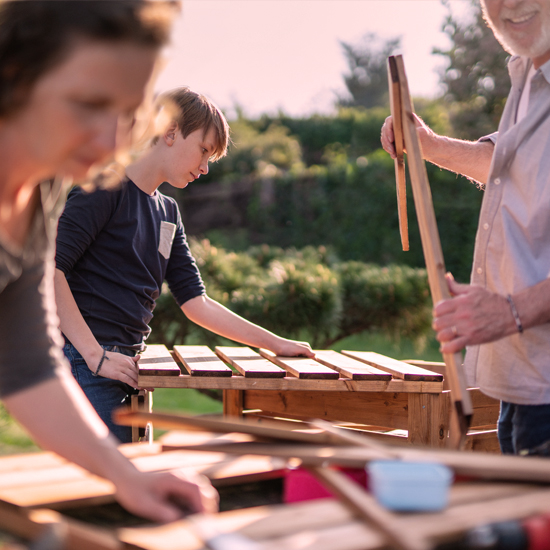
What if that empty lot down the street — or even a corner of a shared yard — could become a source of fresh vegetables, new friendships, and a stronger neighborhood? Community gardens are doing exactly that across America, and getting one started might be easier than you think.
A community garden is a shared space where neighbors grow food, flowers, and more together, often transforming vacant or underused land into something everyone can enjoy.
Community gardens are booming
Community gardening has expanded quickly in U.S. cities. There are an estimated 29,000 community garden plots in city parks across the 100 largest U.S. cities — up from just over 16,000 in 2012. The American Community Gardening Association estimates tens of thousands of gardens exist across the U.S. and Canada.
Why the surge? According to USDA-linked research, every $1 invested in a community garden can yield about $6 worth of produce — a real payoff for families and neighborhoods. Gardens also improve diet, reduce food insecurity, boost neighborhood safety, and build the kind of social connections that turn a collection of houses into an actual community.
10 budget-friendly tips to get started
- Start with a simple interest survey. Before you jump in, find out who’s on board. Ask around at block parties, in building group chats, or on neighborhood apps. A quick survey can help you avoid planning something no one has time to support.
- Form a small planning team. Invite a handful of neighbors to be a steering group. A small committee spreads the workload and prevents one person from carrying all the admin.
- Scout low- or no-cost locations first. Look for sunny spots like vacant lots, church yards, school grounds, or park edges, then ask the owner or city about using the space. Many parks and recreation departments already support community gardens, which can save you on rent or permits.
- Start small and expand later. Begin with a manageable number of beds or containers rather than trying to fill an entire lot in year one. A few raised beds keep upfront costs for lumber, soil, and water lower and let you learn what works first.
- Share tools instead of buying everything. Create a “tool library” where neighbors loan shovels, rakes, and hoses. For missing items, check local tool libraries or second-hand marketplaces before spending cash.
- Use donated and upcycled materials. Collect food-safe buckets, wooden pallets, and scrap lumber to build raised beds. Ask local hardware or garden stores about damaged bags of soil or leftover materials. Upcycling can dramatically cut your start-up budget.
- Keep water simple and efficient. If there’s an outdoor spigot nearby, shared hoses and low-cost drip lines work well. Where water access is tricky, set up a watering schedule and mulch beds heavily to reduce how often they need watering.
- Choose easy, high-yield crops for year one. Stick to reliable, productive plants like salad greens, beans, cherry tomatoes, herbs, and zucchini so everyone sees quick results and stays motivated.
- Pool money transparently in a shared fund. Agree on a small annual fee or suggested contribution per household for shared costs like soil, seeds, and water. Keep a simple spreadsheet and share updates.
- Tap local grants, programs, and expertise. Search for city mini-grants, health-department programs, extension services, or nonprofits that support community gardens with free compost, seeds, or small cash awards. Many universities and garden organizations offer free workshops that can substitute for paid consulting.
The best part?
A community garden doesn’t have to be complicated or expensive. Start small, share resources, and build the garden — and the relationships — one season at a time.
Have you ever participated in a community garden, or are you thinking about starting one? We’d love to hear your stories and ideas — share them with the Shop Talk community!
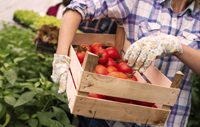
Did you know? Your garden can pay you back
Research suggests that each 11 square feet of garden space can produce over 20 servings of fresh produce. And for every dollar invested, community gardens can yield about $6 worth of food.
not a good idea.
I live in a townhome so limited on what I can even plant. I did use to have a garden and grew up with it having a nice large one with my parents so I sure do miss having any garden now. Its a great idea to have a community garden in the area and so would jump right in.
we have tried to meet some of our neighbors but they all work and we don’t so this is a problem.. We garden and one of our neighbors woks with us but they don’t garden.
Would love to do a community garden but it is against the HOA regulations.
Since I live in a condo I can only garden indoors.
Great read. We have a community garden in my neighborhood. Well really it is in our yard and neighbors come and help either the harvest.