
When most people picture German food, they think of a few reliable stars: pretzels, bratwurst, beer and maybe a big plate of sauerkraut. And sure, those are delicious — but they’re really just the opening act. Germany’s food scene is shaped by centuries of regional history, from the hearty stews of the north to the Alpine comfort food of Bavaria, and there’s a whole world of dishes worth exploring once you look past the beer tent.
Here are four dishes that show off the range of German cuisine.
- Sauerbraten – Often considered one of Germany’s national dishes, sauerbraten starts with a beef roast marinated for several days in a mixture of vinegar, wine and warming spices like cloves and juniper berries. The long soak gives the meat a distinctive tangy flavor before it’s slow-braised until fall-apart tender. It’s traditionally served with red cabbage and potato dumplings, making for the kind of Sunday dinner that fills the whole house with a good smell.
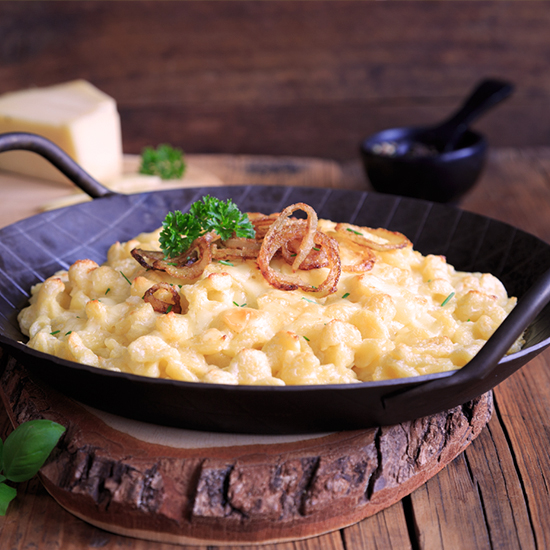
- Käsespätzle – If you love mac and cheese, Käsespätzle might just become your new favorite comfort food. Soft, chewy egg noodles are layered with cheese and topped with caramelized onions, then baked until melty. It’s a specialty of southern Germany and the Alpine regions, and it’s every bit as cozy as it is hearty.
- Currywurst – This one’s a true only-in-Germany street food story. Currywurst is sliced sausage topped with a curry-spiced ketchup sauce, and it’s become one of Germany’s most iconic snacks — often served alongside a paper cone of fries. It’s especially beloved in Berlin, where it was invented after World War II.
- Schwarzwälder Kirschtorte (Black Forest cake) – Layers of chocolate sponge cake, whipped cream and cherries make this dessert an instant classic, but here’s a fun twist: it’s not named for its dark chocolate color. The cake actually takes its name from Kirschwasser, a cherry brandy made in Germany’s Black Forest region, which traditionally flavors the cake.
Whether you’re planning a dinner party or just looking to switch up your weeknight routine, these dishes are a great way to discover just how much German cuisine has to offer beyond the usual suspects.
Have you tried any of these dishes, or do you have a German family recipe of your own? We’d love to hear about it — share your favorites with the Shop Talk community!
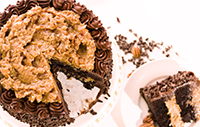
Did you know? Not everything “German” is actually German
Here’s a twist: German chocolate cake, that classic layered dessert topped with coconut and pecans, didn’t come from Germany at all. It was created by a homemaker in Dallas, Texas, in 1957, and gets its name from Samuel German, an American chocolatier who developed the sweet baking chocolate used in the original recipe. Somewhere along the way, the apostrophe-s got dropped, and Germany ended up with credit for a dessert that’s actually as American as, well, Texas.
We are always able to enjoy German dishes in October in particular. A nearby store specializes in German products especially for Octoberfest. They always have a wide selection and delicious varieties of German foods. I always make it a point to get various dishes made with Schnitzel. This has become a repeat dinner for us at home. I purchase the items needed for the meal prep at our German store and make a most appealing meal for my family and friends. I also buy German sweet treats like pastries, and we really like the chocolates at this time of year.
The only German recipes I have are Pennsylvania Dutch ones; this was what German and Swiss immigrants were referred to, as the word “Deutsch” meaning German, sounded like Dutch to English speakers, so they came to be known in Pennsylvania as the Pennsylvania Dutch. But I think German people might find Pennsylvania Dutch foods interesting.
Love the MAC and Cheese one…love the egg noodle way.
looks very good an will eat on ccol days to warm up
LOVE these!! Have so many recipes that I make since my 3-yr stay in Germany (Sulzbach-Frankfurt area) – Chicken Schnitzel is my favorite with panko bread crumbs…amazing dishes.
I would definitely like to try these. I bet they taste great