

Turkey, stuffing, mashed potatoes, pie: the Thanksgiving menu is not up for debate. In a 2025 poll commissioned by the National Turkey Federation, 87% of Americans who celebrate said turkey is part of their meal most years. But the people gathered around the table don’t always eat the same way.
Consider the numbers. The CDC reports that almost 7% of US adults have a food allergy, and the National Institute of Diabetes and Digestive and Kidney Diseases (NIDDK) estimates about 2 million Americans have celiac disease. Add in vegetarian, dairy-free and other diets, and it’s worth planning for the possibility that someone at your table eats a little differently.
So how do you keep the dishes everyone loves and still welcome every guest? The good news: you don’t have to rewrite the menu. With Thanksgiving on Nov. 26 this year, there’s still time to plan. Here are six ways to do both.
- Ask early, and ask in writing – Add a simple line to your invitation or RSVP, like “Let me know about any allergies or dietary needs.” The Emily Post Institute notes that the classic time for guests to share dietary restrictions is when they reply to the invitation, so give them the opening. Some guests hesitate to bring it up, so a friendly prompt goes a long way. Asking early means you’ll have time to plan instead of scrambling on Thursday morning.
- Add dishes, don’t replace them – Nobody wants to lose the stuffing. In one recent survey, the most common approach among hosts with guests who have dietary restrictions, at 53%, was adding a few inclusive dishes alongside the traditional ones. Simple sides like roasted vegetables and fresh cranberry relish are naturally gluten-free. You can also ask a guest with a special diet to bring a favorite dish or share a recipe. That way they know it’s safe, and you have one less thing to cook. A hearty meatless dish is worth considering, too. Polling shows only 4% of Americans call themselves vegetarian and 1% vegan, but nearly one in four have said they’re eating less meat, so a satisfying vegetable dish may have more fans than you’d expect.
- Rethink the gravy and stuffing – Gravy and stuffing are common hiding spots for gluten. Celiac.com warns that gravy packets and seasoning blends can contain wheat, so read every label, or thicken homemade gravy with cornstarch instead of flour. For stuffing, use gluten-free bread and bake it in a separate dish. Remember that stuffing a bird with regular bread can contaminate the turkey itself. And don’t forget to check the label on the bird; see our Did you know? below.
- Watch for nuts and dairy -Peanuts and tree nuts are among the most common adult food allergies, along with shellfish and milk, according to Food Allergy Research & Education (FARE). Nuts also tend to sneak into salads and vegetable dishes. Avoiding them is manageable if you skip the pecan pie and swap in toasted seeds or breadcrumbs for crunch. Just double-check labels on anything packaged.Dairy deserves a look, too. It’s estimated that about 36% of people in the US have lactose malabsorption, meaning a reduced ability to digest lactose. Before you stir butter and cream into the mashed potatoes, set aside a scoop and finish it with olive oil or a dairy-free butter instead.
- Prevent cross-contact -Even a safe dish can pick up allergens from a shared serving spoon. Serve guests who need allergen-free food first, carrying their dishes separately, and letting them serve themselves first at family-style meals. You should also cook allergy-friendly dishes first and use a separate, labeled serving utensil for every dish. Wash eating surfaces with hot, soapy water before guests arrive, too. If a guest has a severe allergy, ask what precautions matter most to them.
- Label dishes and save the packaging -A little card next to each dish listing the main ingredients takes the guesswork out of the buffet, and it saves you from answering “is there butter in this?” a dozen times. It’s also recommended that you keep ingredient labels from anything you cook with so guests can check them if they wish. Make it a habit for potluck dishes, too, by asking guests to jot down the ingredients.
At its heart, Thanksgiving is about gathering and gratitude. A little planning means everyone gets to enjoy both, without giving up the dishes your family loves. Have you hosted a Thanksgiving with dietary needs in the mix? What dish or trick made the day easier? Share your ideas with the Shop Talk community!
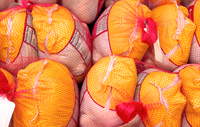
Did you know? Check the turkey label
Turkey meat itself is naturally gluten-free, but some frozen turkeys are injected with broth to keep them juicy, and that broth can contain gluten in the form of barley flavoring or wheat thickeners, according to the Gluten Intolerance Group. If you’re cooking for a gluten-free guest, read the ingredient list or choose a fresh, plain turkey. Skip any pre-stuffed turkey, too.