
Water bills are creeping up across North America, and so is awareness that fresh water isn’t quite as endless as the tap makes it feel.
The good news? Today’s water-saving tech is impressive, easy to install and pays for itself faster than ever. Here’s a look at why home water conservation matters — and 6 smart upgrades that can shrink your bill while protecting one of our most precious resources
Why water conservation matters — now more than ever
We use a lot of water at home. The U.S. Environmental Protection Agency reports that the average family uses 400 gallons of water per day, with the bathroom accounting for the lion’s share.
Beyond the water bill, there’s a bigger picture. Treating and pumping water takes energy, droughts are stretching municipal supplies thinner, and aging pipes mean more leaks. In the US alone, household leaks waste nearly 1 trillion gallons of water every year. Conserving at home eases all of that — and keeps more money in your pocket.
Ready to upgrade? Here are six technologies worth a look.
- WaterSense and high-efficiency toilets. Toilets are the single biggest indoor water user in most homes. Older models can guzzle 3.5 to 7 gallons per flush, while a WaterSense-labeled toilet uses 1.28 gallons or less — a 20 to 60 percent reduction. The EPA estimates the average family that retrofits with WaterSense fixtures and ENERGY STAR appliances saves about $500 a year on water and energy bills.
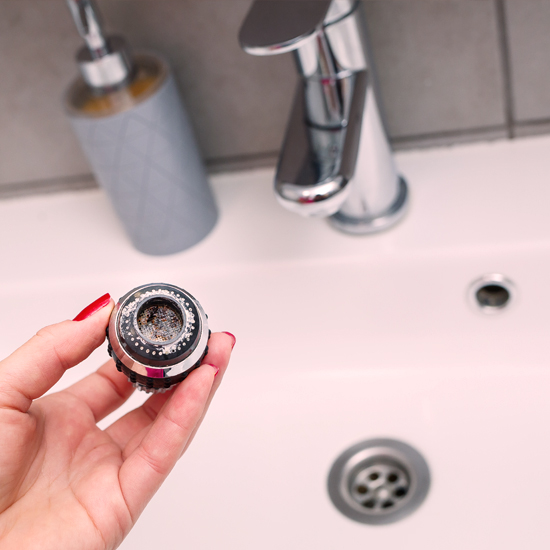
- Low-flow showerheads and faucet aerators. Swapping in a WaterSense showerhead can save the average family 2,700 gallons of water a year and more than $75 in water and energy costs. Faucet aerators are even cheaper — often under $10 — and can save about 700 gallons of water a year. Hard to beat that payback.
- Smart leak detectors and shutoff valves. This is where things get really interesting. Devices like the Moen Flo Smart Water Monitor and Phyn Plus install on your main water line and use AI to learn your home’s usage patterns, flagging anything unusual — a running toilet, a slow drip behind a wall, a burst pipe. Within the first 30 days of installation, Moen reports that 60 percent of homeowners are alerted to a leak they didn’t know about. Many home insurers offer discounts for installing one, which can offset the upfront cost.
- Smart irrigation controllers. If you have a sprinkler system, this one’s a game changer. Smart controllers like Rachio 3 use local weather data to skip watering when rain is forecast and adjust seasonally. Rachio reports users save up to 50 percent on outdoor watering. Many municipalities offer rebates that knock $50 to $100 off the price.
- On-demand hot water recirculation pumps. Ever run the shower for a minute waiting for it to warm up? That adds up. Estimates are that a family of four can waste up to 12,000 gallons a year just waiting for hot water. On-demand recirculation pumps deliver hot water within seconds and cost as little as a few dollars a year to operate — a much better choice than always-on systems, which can drive energy bills up.
- Real-time water monitors. If a full smart-shutoff system is overkill, a strap-on monitor like the Flume 2 attaches to your meter and tracks usage by fixture in real time. Flume reports its users reduce household water consumption by an average of 10 percent simply by being able to see where their water is going.
The best part?
Water-saving tech has gotten smarter, cheaper and easier to install. Whether you start with a $10 aerator or a whole-home smart shutoff, every drop saved is money in your pocket and one less stress on the water systems we all rely on.
What’s your favorite water-saving tip or gadget? Share it with the Shop Talk community — we’d love to hear what’s working for you!
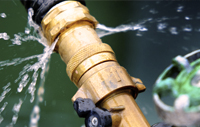
Did you know? A trillion gallons, gone
The U.S. EPA estimates that household leaks waste nearly 1 trillion gallons of water nationwide every year — enough to supply more than 11 million homes.
I learned a few new things. We have now installed a new shower head.
Sigh ..
Every time I see an article like this .. I am reminded of how much of a WASTE of Water and other resources these ‘solutions’ are overall ..
Everything from dryers that do NOT Dry (due to eco cycles that have been foisted on us, it was faster with less energy when there was NO ECO CYCLE At all), to toilets that actually flushed (instead of being flushed 2-3 or more times because there is NOT enough water there at all), to having to prewash all the dishes before putting them in the dishwasher (since the eco cycles don’t clean like they used to — so I’m back to cleaning by hand and only using the Dishwasher to run the Sanitize cycle after cleaning everything off the dinnerware/utensils, etc). This also includes laundry cycles that don’t get everything clean either (ever have totally dry large patches of blankets, comforters, quilts that have NOT been cleaned because the cycles do NOT use enough water, don’t stay on long enough to actually clean (again, having to pre-clean everything before cleaning is a WASTE!). Then let’s go on with the ways showering is more difficult for me (being disabled) with these aerator types — it’s just not got enough reach nor enough flow. It’s even worse when you realize you need to clean up the bathroom afterwards (and its now taking multiple times longer to clean the shower, bath, basins, etc given the low flows).
I can positively state that I’m using MORE resources now with all these ‘eco cycles’ than I ever had with the Old school devices, and the old school devices also were far easier to maintain and lasted longer as well (like 3 or more times the service life!).
There are so many water saving devices available to day. There is really no excuse why people cannot take advantage of some of them to use in there homes. THe technology is becoming more simplified to use and comes with better benefits compared to years ago.
check all hose connections no leaks check washers replace as needed
great ideas
We have a low flow shower head and faucet aerator. You sure can tell the difference when using these two types of household water aids. They really do cut down on the amount of water you use. We were simply not aware of how much water we could have been conserving had we started using these types of products earlier. By using the aerator faucet it has made me more aware of water use in the kitchen. No one in my household runs the rinse water continuously while doing dishes. The aerator does the job quickly and easily. The same is true with the low flow shower head. It manages to remind you not to take showers for a very long extended period of time. Both of these items serve good purposes and should easily find a place in your home.
Just a question, is anyone else on the brink of using huge amounts of water in the upcoming years that is not home use water? Maybe we need to deliver some of these ideas to them and we can all come together as humans and help each other, just sayin’