
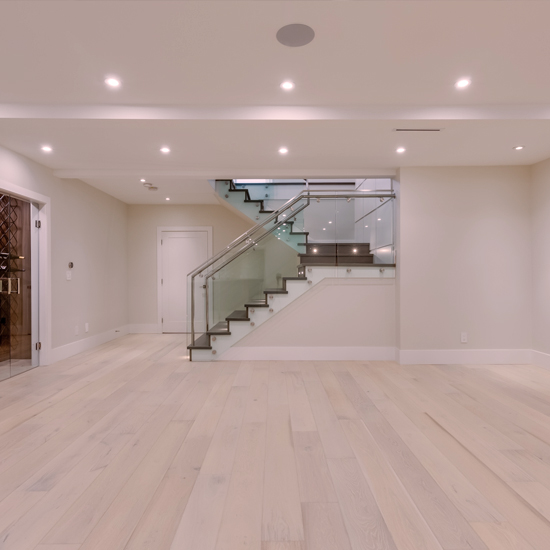
That unfinished basement of yours is basically a blank canvas — and one that could be worth a lot more than you think. Whether you’re dreaming of a cozy family room, a quiet home office, or a guest suite that actually impresses guests, finishing your basement is one of the smartest investments a homeowner can make. The good news? You don’t need a limitless budget to pull it off.
Why the basement makes so much sense
Finishing a basement has a potential return on investment (ROI) of around 70%, according to data from Angi — and it’s easy to see why. You’re adding livable square footage without the cost of building an addition, and buyers consistently view a finished basement as a major plus.
What does it actually cost?
According to Angi’s 2025 data, homeowners typically spend between $12,011 and $34,633 for a complete basement renovation. On the budget end, keeping things simple and DIY-friendly can bring costs down dramatically. A basic budget finish, done mostly yourself with simple materials, can cost as little as $3,250.
For planning purposes, it’s also helpful to think in square feet: typical mid-range basement remodels run $30 to $75 per square foot. A smaller basement in the 300–700 square foot range is a more manageable starting point for budget-conscious homeowners.
Smart ways to keep costs down
You don’t have to choose between a nice space and an affordable one. Here are some proven strategies:
- Start with the essentials. Before you think about paint colors or flooring, deal with what’s underneath. Prioritizing essential upgrades like waterproofing, insulation, and ventilation before focusing on aesthetics will protect your investment long-term. Skipping these steps to save money upfront can cost far more down the road.
- Choose budget-friendly materials wisely. Luxury Vinyl Plank (LVP) flooring is one of the best budget-friendly options for basement remodeling, and using carpet tiles and painted concrete walls can also keep expenses low. These materials look great and hold up well in below-grade environments where moisture can be a factor.
- DIY what you can. Handling DIY-friendly tasks like painting, shelving installation, and even simple flooring can significantly reduce overall remodeling costs. Labor typically accounts for around 40% of a basement project’s total cost, so every task you take on yourself is money saved.
- Go phased, not all-in. You don’t have to finish the whole space at once. Instead of remodeling the whole space at once, focus on key areas and separate areas for different uses. This lets you spread costs over time and refine your vision as you go.
- Shop salvage and second hand. Check out salvage yards, online marketplaces, and local selling pages for used or surplus building materials at a fraction of the cost of new goods. You’d be surprised what turns up — from perfectly good lumber to barely-used light fixtures.
- Budget for the unexpected. Every remodeling project has unexpected costs, so including a 10–15% contingency in your budget is a smart move. Older homes in particular can reveal surprises once work begins, from moisture issues to outdated electrical panels.
What will you do with the space?
The best basement is the one that actually fits your life. A home office is a popular choice — especially with remote work continuing to grow. A family entertainment room, a kids’ playroom, a home gym, or a guest bedroom are all solid options. And if you’re feeling ambitious, a small wet bar or kitchenette can make the space truly self-contained (though adding plumbing will push costs higher).
Whatever direction you go, the key is being honest about what you’ll actually use and enjoy, then building toward that vision one smart, budget-conscious decision at a time.
What are your basement renovation goals? We’d love to hear from the Shop Talk community!

Did you know? Overspending is common — but avoidable
According to the 2024 U.S. Houzz & Home Study, 39% of homeowners exceeded their renovation budget, and 24% never set a budget at all. Having a clear budget — and that 10–15% contingency buffer — before you break ground is the single best way to keep your project on track.
What did that cost a million dollars?
This is such a fantastic idea. Such great ideas. Looks so beautiful.
I like the whole idea. Very beautiful basement. For a beautiful house.